A Google Alert lead me to: A textbook case of failure: Politically driven adoption system yields shallow, misleading materials. Alex Johnson, a report at MSNBC, details some of the problems with the textbooks public schools are using. This paragraph is a good sample of the message in the article:
"American textbooks are both grotesquely bloated (so much so that some state legislatures are considering mandating lighter books to save students from back injuries) and light as a feather intellectually, flitting briefly over too many topics without examining any of them in detail. Worse, too many of them are pedagogically dishonest, so thoroughly massaged to mollify competing political and identity-group interests as to paint a startlingly misleading picture of America and its history."
Near the end of the article is this sad incident:
"Wang vividly remembers an encounter he had with the board that approves California’s textbooks when he showed up to testify for a book by Saxon. 'I was relating how well students did on state standardized tests' using the Saxon program, he said. The chairwoman pounded her gavel to interrupt the testimony to point out that quality wasn’t part of the discussion, he recalled.'"
And some people wonder why the students in public schools are having trouble getting an education!
----------
Technorati tags: public schools, education, textbooks
Tuesday, May 16, 2006


Monday, May 15, 2006
Sifry's latest report on the Blogosphere - May 2006
David Sifry published another report on the state of the blogosphere. This month's report had two main areas.
The first was a break down of blogs by language. Currently a little less than a third of the blogs that Technorati tracks are in English. A little more than a third are in Japanese.
The second part of the report was on how about half of all blog posts have tags associated with the post.
If you are interested in how the blogosphere is changing, Sifry's reports are worth checking out.
----------
Technorati tags: David Sifry, Technorati, blogosphere, English, Japanese
The first was a break down of blogs by language. Currently a little less than a third of the blogs that Technorati tracks are in English. A little more than a third are in Japanese.
The second part of the report was on how about half of all blog posts have tags associated with the post.
If you are interested in how the blogosphere is changing, Sifry's reports are worth checking out.
----------
Technorati tags: David Sifry, Technorati, blogosphere, English, Japanese
Interview: Barbara Frank – Author of "Life Prep for Homeschooled Teachers" and "The Imperfect Homeschooler’s Guide to Homeschooling"
Below is an interview with Barbara Frank done via email. I am really enjoying these interviews. If they weren't so much work I'd be doing more of them.
I hope you enjoy the interview.
-------------------
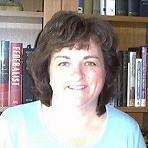
Brief bio:
Barbara Frank is the mother of four homeschooled-from-birth children ages 13-22, a freelance writer/editor, and the author of Life Prep for Homeschooled Teenagers and the new eBook, The Imperfect Homeschooler's Guide to Homeschooling. To learn more about her and to read some of her articles, go to The Imperfect Homeschooler.
Personal:
What books did you like to read as a child?
Although I began reading at age three, we only had a couple of books (one was a Barbie reader), so I read the Chicago Tribune every day. (I know it sounds weird, but I had a weird upbringing; the first time we watched the video of the movie “Matilda,” I hid in the bathroom where my kids couldn’t see me and cried because I related so much to her childhood!) When I was 9, we moved to a suburb where there was a public library within biking distance, and that began my love affair with books. I inhaled Nancy Drew mysteries –usually a couple a day, reading the same ones over and over after I’d been through all of them once. I also remember loving historical novels such as Bess Streeter Aldrich’s A Lantern in Her Hand and its sequel A White Bird Flying, as well as books like Christy and Two From Galilee.
Did you go to a public school? What was your experience like there?
I went to a neighborhood church for kindergarten, then attended public school through high school. I was labeled as gifted and enjoyed that attention in first grade, but the thrill soon wore off. I found school to be easy and boring, and got all A’s until sixth grade. One exception to the boredom of those years was my experience in fifth grade, which I have written about. (http://www.cardamompublishers.com/what-i-learned-in-fifth-grade.htm)
In seventh grade, I became fed up with the whole school thing and coasted (with occasional bursts of motivated studying) until high school, where I pretty much marked time until graduation. I consider Graduation Day to be one of the ten happiest days of my life (the first five are claimed by my wedding day and the births of my four children!)
Do you have any unusual skills, talents, or interests?
There’s not much time after homeschooling, writing and caring for my family, but I do enjoy quilting, watching DVD’s of old movies and tv series, and politics (I have visited http://www.lucianne.com/ daily since the Clinton scandal. Lucianne Goldberg, by the way, is a wonderful person and a patriot who also supports homeschooling.)
How did you and your husband meet?
I knew who he was in sixth grade; that quiet guy who slept in the back row of his classes and still got A’s. By senior year of high school, I was tired of dating jerks, so when he asked me out, I said yes. We recently celebrated the 30th anniversary of that first date. We got married while we were in college; I was in journalism school at the time, and my classmates made fun of us for getting married instead of living together. Once they learned I had taken his last name, they figured I was hopeless, I suppose.
Homeschooling
From the What's on my mind section on your The Imperfect Homeschooler site you write that your children have been homeschooled from the beginning. What was your path into Homeschooling? How did you find out about it? What helped you decide on homeschooling?
When you believe in God, you know everything happens for a reason. I was eight months pregnant with my first child when I spotted a book on sale at a Christian bookstore about raising children. I bought it and forgot about it until a few months later, when we were frantically looking for a way to handle our screaming baby who hated to sleep, and suddenly remembered the book. It was called Home Grown Kids by Dr. Raymond and Dorothy Moore, and the advice in it about babies was a great help to us. Then I read the rest of the book and learned about homeschooling. I was blown away by the concept. I got on the Moores’ mailing list, and their newsletters got me even more fired up about homeschooling. We went to their seminar in Wheaton, IL in 1984, which got my husband interested, too. It just made so much sense to us. We will always be grateful to the Moores, and to God for using them in our lives.
If I've done the math right, you've been homeschooling for about 17 years. What were some of the hardest times? And what were some of the best times?
No question, the hardest time was when our youngest son was born with Down syndrome and a host of other medical problems. He spent a month in the Neonatal Intensive Care Unit, and came home on a heart and apnea monitor. He had central apnea, which meant his brain had not yet matured enough to tell him when to breathe. He often stopped breathing, sometimes several times a day/night. He was on the monitor for two long years. In the meantime, I was trying to homeschool our older children (who were 9 and 8 when he was born) while chasing our 22-month-old toddler. God got me through it, but by the time our youngest turned two, I could no longer keep up with everything. My husband then quit his job and started working at home so he could be there to help me. What a blessing!
As for the best times, there were many. I remember how excited each of the kids was when they learned to read, how their eyes lit up when they realized they could do it. They loved it when I made chocolate chip pancakes for their lunch (I always reminded them that they wouldn’t have had chocolate chip pancakes for lunch at school, lol!) I especially enjoyed watching them take off after their own interests as they became teenagers. Our daughter published an eZine while in her early teens, and started a Christian coffeehouse at age 16. When he was 13 or 14, our son designed and ran a Web site (about his favorite professional baseball player) that was written up in Baseball Weekly. Our younger daughter, now 15, is working on her second novel; I love reading her work, which is so lively and creative. And of course, every time our 13-year-old son with Down syndrome (who works very hard to advance just a little bit) masters something new, it is thrilling for us all.
Cardamom Publishers
What got you started with running your own business?
When our older two children were teens, I designed a curriculum to teach them about all the practical subjects my husband and I never learned in high school, such as how to rent an apartment, understand budgeting, credit and mortgages, figure out health insurance and taxes, etc. I called it Life Prep for Homeschooled Teenagers. I decided to put it all down in writing because there is a six-year age gap between our second and third children, and I didn’t think I’d remember everything we did by the time #3 was ready to learn these things! Some homeschooling friends encouraged me to have it published, but I didn’t think a traditional publisher would be interested in such a niche market (most homeschooling parents send their children to high school, although I think that trend is starting to change now). So I read up on self-publishing, and with the encouragement of my husband, started Cardamom Publishers in order to publish Life Prep. At that time, my mother shared a small inheritance with me, so it seemed like God was paving the way financially.
I like the phrase: "The Imperfect Homeschooler." How did you come up with it?
In the early years of our homeschooling life, the only role models I had were those moms of families depicted in what few homeschool magazines there were. I always felt inferior to them. In their family pictures, their children were all dressed alike, hair perfectly groomed and eyes all looking in the same direction (no mean trick when you have a lot of kids!) I’d read their stories, and it sounded like they had idyllic lives with perfectly behaved kids. The moms came across as perfectly calm, and seemed to have it all together. That certainly did not describe me. I came from a dysfunctional family that has always been like a volcano with regular eruptions (everything useful I learned about childrearing came from James Dobson!) and I had a hard time juggling the kids, the meals and the housekeeping.
What I learned during our homeschooling years, however, is that God uses our imperfections for good. The fact that I was flawed meant nothing, because He was doing the work. I chose the name “The Imperfect Homeschooler” to describe myself, and to communicate to others that God will use us, despite our imperfections, to homeschool our children His way. It hurts me to think someone will decide not to homeschool, even if God has put in on their heart, because they believe they’re not good enough. I want them to know this: if He has called you, He will equip you.
What prompted you to write the book, The Imperfect Homeschooler's Guide to Homeschooling? Are you working on another book? If so, what is it?
The Imperfect Homeschooler’s Guide to Homeschooling contains the answers to many of the questions I get from other homeschoolers about how to make sure our children are learning what they should, how to handle obstacles in our homeschooling lives, and how to get organized and stay on top of the rest of our considerable responsibilities. Right now it’s only available as an eBook (download or CD), but at some point it will come out in print.
My priority these days is my new book, Thriving in the 21st Century: Preparing Our Children for the New Economic Reality. Its genesis was my husband’s experience of being self-employed in the plastics industry. Over the past several years, he has seen many of his clients (and competitors) close down because so much U.S. manufacturing has gone overseas, particularly to China. His own business has suffered extended slow periods the past few years. His is not the only American industry to experience this. It got me thinking about how to prepare our children for a working world very different from the one we were prepared for. America’s re-entrance into the global economy has changed many of the “rules” we were raised with, such as “Get a job with a company that offers a good pension,” or “Once you earn a college degree, you’ll always be able to get a good job.” So how do we prepare our kids for a world that is changing before our eyes?
I’ve spent a lot of time doing research for the book (my journalism background is a big help), and the most exciting thing I’ve learned is that the things we need to be doing to prepare our children for this 21st century global economy lend themselves to homeschooling so completely that choosing to homeschool is becoming almost a necessity, if you want your child to be prepared for the future. I’m having a great time writing this book, and we hope to have it out by the end of the year, God willing.
Your Blog: The Imperfect Homeschooler
How did you learn about blogs?
Crystal Paine of Biblical Womanhood recommended doing one for promotional purposes, and once I started it, I really enjoyed it. Blogging for Dummies helped me understand how blogs work…I wish I had the time to implement all the ideas in that book.
After a year now is it still fun to blog?
Oh, yes, and it’s also fun to visit other blogs, particularly those written by homeschooling parents. I think homeschool moms are some of the brightest, most interesting people on the planet. Visiting the Carnival of Homeschooling can put me way behind on my work, lol!
What have you learned while blogging?
Being technically challenged, just learning how to set up the thing was a big step for me (and mine is pretty simple compared to most others). I have also learned that there are a lot of different opinions out there, and that the most important thing is not a person’s opinion so much as their motivation in writing what they write, i.e. why they feel the way they do.
The future of homeschooling
Are your children planning on homeschooling their children?
My daughters (22 and 15) have both said they hope to homeschool their children. My son (21) hopes to become a pastor in the Lutheran (Missouri Synod) church, and wants Lutheran schools for his children. The bottom line is that it’s up to God to call them to homeschool, as he did my husband and me. But I must admit it would be pretty darn painful to see any of my grandchildren go to public school!
What do you think is going to happen with homeschooling in the coming years?
I’m no prophet, but my instinct is that traditional homeschooling will keep growing and flourishing as our public education system continues its slide into mediocrity (and worse). But I make a distinction between traditional homeschooling and its modern counterpart, which I have learned about from the panicked phone calls and emails I receive from moms who are burning out from the exhausting lifestyle of driving their children back and forth between co-ops, private lessons and organized sports and activities. When you’re so busy running your kids to such activities that you have no time to sit with them and read, or do math, or just spend the afternoon outside enjoying nature, you are no longer homeschooling. You have chosen “private school á la carte,” i.e. picking and choosing between the growing number of such “educational opportunities” available to you.
I think that lifestyle causes children to lose out on three big advantages of traditional homeschooling or unschooling: time with family, time alone, and avoidance of peer pressure. But I do understand why many of the parents who have chosen “private school á la carte” do so. They can’t afford private school, and they don’t want their kids in public school because of the many negatives. Some moms have told me they cannot handle being home with the kids all day, so this lifestyle is their only option.
If we can bring about true school choice in this country, where federal dollars are tied to each child, and parents are free to choose where to send their children to school (thus bringing the federal dollars to that school for tuition), I think you’ll see the private school sector explode with new schools….religious, technical/vocational, classical…the possibilities boggle the mind. And that’s when you’ll see the “private school á la carte” set break off from homeschooling, because they’ll finally be able to afford private school for their children.
The way the system is set up now, it’s stacked against any of us who want better than the public schools for our kids. We homeschoolers pay ridiculously high taxes to support failing schools our kids do not attend, plus we pay for the materials we use to educate our children. Let’s hope true school choice comes soon. Even the homeschoolers who choose not to accept federal money to pay for homeschooling expenses (and my husband and I would be in that group) would at least be supporting a decent system of education based on parental choice instead of the mess we’re paying for now.
And again, thank you for letting me interview you.
----------
Technorati tags: homeschooling, homeschool, home school, home education, education, Barbara Frank, Imperfect Homeschooler
I hope you enjoy the interview.
-------------------

Brief bio:
Barbara Frank is the mother of four homeschooled-from-birth children ages 13-22, a freelance writer/editor, and the author of Life Prep for Homeschooled Teenagers and the new eBook, The Imperfect Homeschooler's Guide to Homeschooling. To learn more about her and to read some of her articles, go to The Imperfect Homeschooler.
Personal:
What books did you like to read as a child?
Although I began reading at age three, we only had a couple of books (one was a Barbie reader), so I read the Chicago Tribune every day. (I know it sounds weird, but I had a weird upbringing; the first time we watched the video of the movie “Matilda,” I hid in the bathroom where my kids couldn’t see me and cried because I related so much to her childhood!) When I was 9, we moved to a suburb where there was a public library within biking distance, and that began my love affair with books. I inhaled Nancy Drew mysteries –usually a couple a day, reading the same ones over and over after I’d been through all of them once. I also remember loving historical novels such as Bess Streeter Aldrich’s A Lantern in Her Hand and its sequel A White Bird Flying, as well as books like Christy and Two From Galilee.
Did you go to a public school? What was your experience like there?
I went to a neighborhood church for kindergarten, then attended public school through high school. I was labeled as gifted and enjoyed that attention in first grade, but the thrill soon wore off. I found school to be easy and boring, and got all A’s until sixth grade. One exception to the boredom of those years was my experience in fifth grade, which I have written about. (http://www.cardamompublishers.com/what-i-learned-in-fifth-grade.htm)
In seventh grade, I became fed up with the whole school thing and coasted (with occasional bursts of motivated studying) until high school, where I pretty much marked time until graduation. I consider Graduation Day to be one of the ten happiest days of my life (the first five are claimed by my wedding day and the births of my four children!)
Do you have any unusual skills, talents, or interests?
There’s not much time after homeschooling, writing and caring for my family, but I do enjoy quilting, watching DVD’s of old movies and tv series, and politics (I have visited http://www.lucianne.com/ daily since the Clinton scandal. Lucianne Goldberg, by the way, is a wonderful person and a patriot who also supports homeschooling.)
How did you and your husband meet?
I knew who he was in sixth grade; that quiet guy who slept in the back row of his classes and still got A’s. By senior year of high school, I was tired of dating jerks, so when he asked me out, I said yes. We recently celebrated the 30th anniversary of that first date. We got married while we were in college; I was in journalism school at the time, and my classmates made fun of us for getting married instead of living together. Once they learned I had taken his last name, they figured I was hopeless, I suppose.
Homeschooling
From the What's on my mind section on your The Imperfect Homeschooler site you write that your children have been homeschooled from the beginning. What was your path into Homeschooling? How did you find out about it? What helped you decide on homeschooling?
When you believe in God, you know everything happens for a reason. I was eight months pregnant with my first child when I spotted a book on sale at a Christian bookstore about raising children. I bought it and forgot about it until a few months later, when we were frantically looking for a way to handle our screaming baby who hated to sleep, and suddenly remembered the book. It was called Home Grown Kids by Dr. Raymond and Dorothy Moore, and the advice in it about babies was a great help to us. Then I read the rest of the book and learned about homeschooling. I was blown away by the concept. I got on the Moores’ mailing list, and their newsletters got me even more fired up about homeschooling. We went to their seminar in Wheaton, IL in 1984, which got my husband interested, too. It just made so much sense to us. We will always be grateful to the Moores, and to God for using them in our lives.
If I've done the math right, you've been homeschooling for about 17 years. What were some of the hardest times? And what were some of the best times?
No question, the hardest time was when our youngest son was born with Down syndrome and a host of other medical problems. He spent a month in the Neonatal Intensive Care Unit, and came home on a heart and apnea monitor. He had central apnea, which meant his brain had not yet matured enough to tell him when to breathe. He often stopped breathing, sometimes several times a day/night. He was on the monitor for two long years. In the meantime, I was trying to homeschool our older children (who were 9 and 8 when he was born) while chasing our 22-month-old toddler. God got me through it, but by the time our youngest turned two, I could no longer keep up with everything. My husband then quit his job and started working at home so he could be there to help me. What a blessing!
As for the best times, there were many. I remember how excited each of the kids was when they learned to read, how their eyes lit up when they realized they could do it. They loved it when I made chocolate chip pancakes for their lunch (I always reminded them that they wouldn’t have had chocolate chip pancakes for lunch at school, lol!) I especially enjoyed watching them take off after their own interests as they became teenagers. Our daughter published an eZine while in her early teens, and started a Christian coffeehouse at age 16. When he was 13 or 14, our son designed and ran a Web site (about his favorite professional baseball player) that was written up in Baseball Weekly. Our younger daughter, now 15, is working on her second novel; I love reading her work, which is so lively and creative. And of course, every time our 13-year-old son with Down syndrome (who works very hard to advance just a little bit) masters something new, it is thrilling for us all.
Cardamom Publishers
What got you started with running your own business?
When our older two children were teens, I designed a curriculum to teach them about all the practical subjects my husband and I never learned in high school, such as how to rent an apartment, understand budgeting, credit and mortgages, figure out health insurance and taxes, etc. I called it Life Prep for Homeschooled Teenagers. I decided to put it all down in writing because there is a six-year age gap between our second and third children, and I didn’t think I’d remember everything we did by the time #3 was ready to learn these things! Some homeschooling friends encouraged me to have it published, but I didn’t think a traditional publisher would be interested in such a niche market (most homeschooling parents send their children to high school, although I think that trend is starting to change now). So I read up on self-publishing, and with the encouragement of my husband, started Cardamom Publishers in order to publish Life Prep. At that time, my mother shared a small inheritance with me, so it seemed like God was paving the way financially.
I like the phrase: "The Imperfect Homeschooler." How did you come up with it?
In the early years of our homeschooling life, the only role models I had were those moms of families depicted in what few homeschool magazines there were. I always felt inferior to them. In their family pictures, their children were all dressed alike, hair perfectly groomed and eyes all looking in the same direction (no mean trick when you have a lot of kids!) I’d read their stories, and it sounded like they had idyllic lives with perfectly behaved kids. The moms came across as perfectly calm, and seemed to have it all together. That certainly did not describe me. I came from a dysfunctional family that has always been like a volcano with regular eruptions (everything useful I learned about childrearing came from James Dobson!) and I had a hard time juggling the kids, the meals and the housekeeping.
What I learned during our homeschooling years, however, is that God uses our imperfections for good. The fact that I was flawed meant nothing, because He was doing the work. I chose the name “The Imperfect Homeschooler” to describe myself, and to communicate to others that God will use us, despite our imperfections, to homeschool our children His way. It hurts me to think someone will decide not to homeschool, even if God has put in on their heart, because they believe they’re not good enough. I want them to know this: if He has called you, He will equip you.
What prompted you to write the book, The Imperfect Homeschooler's Guide to Homeschooling? Are you working on another book? If so, what is it?
The Imperfect Homeschooler’s Guide to Homeschooling contains the answers to many of the questions I get from other homeschoolers about how to make sure our children are learning what they should, how to handle obstacles in our homeschooling lives, and how to get organized and stay on top of the rest of our considerable responsibilities. Right now it’s only available as an eBook (download or CD), but at some point it will come out in print.
My priority these days is my new book, Thriving in the 21st Century: Preparing Our Children for the New Economic Reality. Its genesis was my husband’s experience of being self-employed in the plastics industry. Over the past several years, he has seen many of his clients (and competitors) close down because so much U.S. manufacturing has gone overseas, particularly to China. His own business has suffered extended slow periods the past few years. His is not the only American industry to experience this. It got me thinking about how to prepare our children for a working world very different from the one we were prepared for. America’s re-entrance into the global economy has changed many of the “rules” we were raised with, such as “Get a job with a company that offers a good pension,” or “Once you earn a college degree, you’ll always be able to get a good job.” So how do we prepare our kids for a world that is changing before our eyes?
I’ve spent a lot of time doing research for the book (my journalism background is a big help), and the most exciting thing I’ve learned is that the things we need to be doing to prepare our children for this 21st century global economy lend themselves to homeschooling so completely that choosing to homeschool is becoming almost a necessity, if you want your child to be prepared for the future. I’m having a great time writing this book, and we hope to have it out by the end of the year, God willing.
Your Blog: The Imperfect Homeschooler
How did you learn about blogs?
Crystal Paine of Biblical Womanhood recommended doing one for promotional purposes, and once I started it, I really enjoyed it. Blogging for Dummies helped me understand how blogs work…I wish I had the time to implement all the ideas in that book.
After a year now is it still fun to blog?
Oh, yes, and it’s also fun to visit other blogs, particularly those written by homeschooling parents. I think homeschool moms are some of the brightest, most interesting people on the planet. Visiting the Carnival of Homeschooling can put me way behind on my work, lol!
What have you learned while blogging?
Being technically challenged, just learning how to set up the thing was a big step for me (and mine is pretty simple compared to most others). I have also learned that there are a lot of different opinions out there, and that the most important thing is not a person’s opinion so much as their motivation in writing what they write, i.e. why they feel the way they do.
The future of homeschooling
Are your children planning on homeschooling their children?
My daughters (22 and 15) have both said they hope to homeschool their children. My son (21) hopes to become a pastor in the Lutheran (Missouri Synod) church, and wants Lutheran schools for his children. The bottom line is that it’s up to God to call them to homeschool, as he did my husband and me. But I must admit it would be pretty darn painful to see any of my grandchildren go to public school!
What do you think is going to happen with homeschooling in the coming years?
I’m no prophet, but my instinct is that traditional homeschooling will keep growing and flourishing as our public education system continues its slide into mediocrity (and worse). But I make a distinction between traditional homeschooling and its modern counterpart, which I have learned about from the panicked phone calls and emails I receive from moms who are burning out from the exhausting lifestyle of driving their children back and forth between co-ops, private lessons and organized sports and activities. When you’re so busy running your kids to such activities that you have no time to sit with them and read, or do math, or just spend the afternoon outside enjoying nature, you are no longer homeschooling. You have chosen “private school á la carte,” i.e. picking and choosing between the growing number of such “educational opportunities” available to you.
I think that lifestyle causes children to lose out on three big advantages of traditional homeschooling or unschooling: time with family, time alone, and avoidance of peer pressure. But I do understand why many of the parents who have chosen “private school á la carte” do so. They can’t afford private school, and they don’t want their kids in public school because of the many negatives. Some moms have told me they cannot handle being home with the kids all day, so this lifestyle is their only option.
If we can bring about true school choice in this country, where federal dollars are tied to each child, and parents are free to choose where to send their children to school (thus bringing the federal dollars to that school for tuition), I think you’ll see the private school sector explode with new schools….religious, technical/vocational, classical…the possibilities boggle the mind. And that’s when you’ll see the “private school á la carte” set break off from homeschooling, because they’ll finally be able to afford private school for their children.
The way the system is set up now, it’s stacked against any of us who want better than the public schools for our kids. We homeschoolers pay ridiculously high taxes to support failing schools our kids do not attend, plus we pay for the materials we use to educate our children. Let’s hope true school choice comes soon. Even the homeschoolers who choose not to accept federal money to pay for homeschooling expenses (and my husband and I would be in that group) would at least be supporting a decent system of education based on parental choice instead of the mess we’re paying for now.
And again, thank you for letting me interview you.
----------
Technorati tags: homeschooling, homeschool, home school, home education, education, Barbara Frank, Imperfect Homeschooler
Reminder - send in a submission for the next Carnival of Children's Literature
If you have written about children's literature recently, consider sending in your post for the next Carnival of Children's Literature. (Or if you've noticed a good post by someone else)
The carnival will be hosted at Here in the Bonny Glen next week.
----------
Technorati tags: children, literature
The carnival will be hosted at Here in the Bonny Glen next week.
----------
Technorati tags: children, literature
Our blog is becoming an extension of my memory
We've been blogging for almost seven months. I've been surprised to find that our blog is becoming an extension to my memory.
For example this Saturday I was out looking for new homeschooling blogs. I found one post about why homeschooling is effective. And there was another post was by a mother who was thinking about homeschooling. In both cases I left a comment referencing the Lioness' post about the power of tutoring. It was easy to bring up the recent Carnival of Homeschooling, and clicked over to The Golden Quote.
I've noticed over the last couple months that I'll often check back on previous posts, or links to other bloggers' posts. Our blog is becoming a personal reference library. Originally I viewed the blogging as a way to share ideas about homeschooling. I am now realizing the journal side of blogging, the personal record of ideas and information.
It will be interesting to see if there are other benefits to blogging.
----------
Technorati tags: homeschooling, homeschool, home school, home education, parenting, children, education, blogging, extending memory, personal journal, tutoring
For example this Saturday I was out looking for new homeschooling blogs. I found one post about why homeschooling is effective. And there was another post was by a mother who was thinking about homeschooling. In both cases I left a comment referencing the Lioness' post about the power of tutoring. It was easy to bring up the recent Carnival of Homeschooling, and clicked over to The Golden Quote.
I've noticed over the last couple months that I'll often check back on previous posts, or links to other bloggers' posts. Our blog is becoming a personal reference library. Originally I viewed the blogging as a way to share ideas about homeschooling. I am now realizing the journal side of blogging, the personal record of ideas and information.
It will be interesting to see if there are other benefits to blogging.
----------
Technorati tags: homeschooling, homeschool, home school, home education, parenting, children, education, blogging, extending memory, personal journal, tutoring
Links to interesting postings - 15 May 2006
Dana, at Principled Discovery, has some good thoughts about the problems with television. She also provides some links to studies and what other people are saying.
The Headmistress, at The Common Room, has an entertaining post about what she did when some of her children wanted to go to public school.
----------
Technorati tags: homeschooling, homeschool, home school, home education, education, television, teaching children, public school
The Headmistress, at The Common Room, has an entertaining post about what she did when some of her children wanted to go to public school.
----------
Technorati tags: homeschooling, homeschool, home school, home education, education, television, teaching children, public school
Selections from HomeSchoolBuzz.com - 15 May 2006
It has been awhile since I posted a few selections from HomeSchoolBuzz.com. Every day Gary posts links to interesting articles on homeschooling. Below are some of the articles posted over the weekend:
Jeanine Stice writes in a recent column about her reason for homeschooling. As a volunteer in her son's public school class she realized how little her son was really learning.
A good article about how homeschoolers are doing just fine getting into college.
Up in Canada is an ugly mess about parents trying to do the best for their diebetic son, and then losing two of their children to foster care. Evil things happen when you fight with a bureaucracy. At this point I wonder if the parents can get their children and get out of Canada.
Here is a good article about unschooling.
----------
Technorati tags: homeschooling, homeschool, home school, home education, education, HomeSchoolBuzz, HomeSchoolBuzz.com, Jeanine Stice, foster care, bureaucracy, unschool, unschooling
Jeanine Stice writes in a recent column about her reason for homeschooling. As a volunteer in her son's public school class she realized how little her son was really learning.
A good article about how homeschoolers are doing just fine getting into college.
Up in Canada is an ugly mess about parents trying to do the best for their diebetic son, and then losing two of their children to foster care. Evil things happen when you fight with a bureaucracy. At this point I wonder if the parents can get their children and get out of Canada.
Here is a good article about unschooling.
----------
Technorati tags: homeschooling, homeschool, home school, home education, education, HomeSchoolBuzz, HomeSchoolBuzz.com, Jeanine Stice, foster care, bureaucracy, unschool, unschooling
Saturday, May 13, 2006
The Carnival of Kid Comedy has hit the road, week 10
Undercover Angel is hosting The Carnival of Kid Comedy at her blog, My Life In The Kid Zoo. There are a lot of interesting posts.
----------
Technorati tags: Carnival of Kid Comedy, humor, blog carnival, children
----------
Technorati tags: Carnival of Kid Comedy, humor, blog carnival, children
Who are responsible for children? Teachers or Parents?
On The Homeschooling Revolution today I read this quote:
"We who are engaged in the sacred cause of education are entitled to look upon all parents as having given hostages to our cause." - Horace Mann
Horace Mann led the effort to establish what later became public schools. Up until the 1840s, most children were taught by their parents, with a few being taught at private schools. Children did not start school until around eight to ten. The country had a very high literacy rate. Over the next hundred years governments at various levels first offered public schools as an option, and then tried to force parents to send their children to public schools.
I find it sad that many involved with public schools, as administrators or teachers, feel that because they have been "educated," they can do whatever they want to the students. They do not want to be accountable to the parents, or even allow parents to have a voice in the process. Public schools are often trying some new fad in the way various topics are taught, in reading, math, or so on. Often there is a new fad every year or two. If the new approach doesn’t work, or inflicts harm on the children, there is no accountability.
The people who suffer are not the teachers and administrators, but the students and family members. If a child gets a poor education, the teachers don't suffer. But for the rest of his life the child who has trouble with reading, writing, or some other topic suffers. The parents of the child may have to help out with money, or in other ways. A poor education affects the child later in life as he looks for a job. And a poor education is often passed on to the next generation. But the teachers have little consequence.
Horace Mann was not the first, and clearly not the last to claim that because they "care" and they are "trained" they have a higher moral ground. But they don't. The parents have the high moral ground. The parents have brought the child into this world. The parents have taught the child to walk and talk. The parents are the ones who sacrifice thousands of hours, and tens of thousands of dollars providing a good foundation for their child. By comparison teachers sacrifice very little, remember teachers get paid.
One of the problems with public schools is many at public schools think they are the master of the child. Public schools have continued to try and expand their influence over children for the last 150 years. The reality is parents are responsible for children. Public schools should be the servant of the parent. Unless this changes, more and more parents will recognize how morally bankrupted public schools are and homeschool their children.
----------
Technorati tags: homeschooling, homeschool, home school, home education, education, Horace Mann, teachers, public schools, responsibility, parents, parenting
"We who are engaged in the sacred cause of education are entitled to look upon all parents as having given hostages to our cause." - Horace Mann
Horace Mann led the effort to establish what later became public schools. Up until the 1840s, most children were taught by their parents, with a few being taught at private schools. Children did not start school until around eight to ten. The country had a very high literacy rate. Over the next hundred years governments at various levels first offered public schools as an option, and then tried to force parents to send their children to public schools.
I find it sad that many involved with public schools, as administrators or teachers, feel that because they have been "educated," they can do whatever they want to the students. They do not want to be accountable to the parents, or even allow parents to have a voice in the process. Public schools are often trying some new fad in the way various topics are taught, in reading, math, or so on. Often there is a new fad every year or two. If the new approach doesn’t work, or inflicts harm on the children, there is no accountability.
The people who suffer are not the teachers and administrators, but the students and family members. If a child gets a poor education, the teachers don't suffer. But for the rest of his life the child who has trouble with reading, writing, or some other topic suffers. The parents of the child may have to help out with money, or in other ways. A poor education affects the child later in life as he looks for a job. And a poor education is often passed on to the next generation. But the teachers have little consequence.
Horace Mann was not the first, and clearly not the last to claim that because they "care" and they are "trained" they have a higher moral ground. But they don't. The parents have the high moral ground. The parents have brought the child into this world. The parents have taught the child to walk and talk. The parents are the ones who sacrifice thousands of hours, and tens of thousands of dollars providing a good foundation for their child. By comparison teachers sacrifice very little, remember teachers get paid.
One of the problems with public schools is many at public schools think they are the master of the child. Public schools have continued to try and expand their influence over children for the last 150 years. The reality is parents are responsible for children. Public schools should be the servant of the parent. Unless this changes, more and more parents will recognize how morally bankrupted public schools are and homeschool their children.
----------
Technorati tags: homeschooling, homeschool, home school, home education, education, Horace Mann, teachers, public schools, responsibility, parents, parenting
Friday, May 12, 2006
Reminder, send in your submissions for the next Carnival of Homeschooling
Melissa Markham, of Home Sweet Home, will be hosting the next Carnival of Homeschooling.
As always check here for details on how to submit. Entries are always due Monday evenings at 6:00 PM, Pacific Standard Time.
----------
Technorati tags: homeschooling, homeschool, home school, home education, education, blog carnival, Carnival of Homeschooling
As always check here for details on how to submit. Entries are always due Monday evenings at 6:00 PM, Pacific Standard Time.
----------
Technorati tags: homeschooling, homeschool, home school, home education, education, blog carnival, Carnival of Homeschooling
Thursday, May 11, 2006
The Truth Laid Bear - Wow!
I've noticed that a number of the top bloggers I follow link to The Truth Laid Bear. So when we were getting started I signed us up. It was kind of interesting. He builds a report on how many people were linked to your blog, what your traffic was like, and how you compared to other blogs. It is fun to see our blog move up and down in both rankings.
I just noticed that The Truth Laid Bear (TTLB) has greatly improved his presentation.
For example his Hot Topics page has graphs show which topics are getting a lot of buzz in the blogosphere, and the trends over the last couple weeks.
And his report on our blog also has new visuals. Under the metrics section we have speed meters showing how the number of hits and links compared to the last month. And then under the Inbound Links and Outbound Links are some great spiral graphs showing in order who links to us, and then to whom we link. I'm sure the colors on the names mean something, but I'm not sure what. This was just rolled out, so there are a few little bugs.
One of the few down sides of TTLB's service is he only tracks those who sign up for an account and put in the HTML to connect each time their blog page is loaded. With only 50,000 blogs in his system, there are a ton of bogs not being tracked.
If you aren't using TTLB, you might want to check it out.
----------
Technorati tags: The Truth Laid Bear, TTLB
I just noticed that The Truth Laid Bear (TTLB) has greatly improved his presentation.
For example his Hot Topics page has graphs show which topics are getting a lot of buzz in the blogosphere, and the trends over the last couple weeks.
And his report on our blog also has new visuals. Under the metrics section we have speed meters showing how the number of hits and links compared to the last month. And then under the Inbound Links and Outbound Links are some great spiral graphs showing in order who links to us, and then to whom we link. I'm sure the colors on the names mean something, but I'm not sure what. This was just rolled out, so there are a few little bugs.
One of the few down sides of TTLB's service is he only tracks those who sign up for an account and put in the HTML to connect each time their blog page is loaded. With only 50,000 blogs in his system, there are a ton of bogs not being tracked.
If you aren't using TTLB, you might want to check it out.
----------
Technorati tags: The Truth Laid Bear, TTLB
Miscommunication
 The last few days, I've been following the saga of the trapped miners in Australia. A little over two weeks ago, an earthquake caused a cave in at a gold mine. Fourteen miners escaped, and one was killed. Two miners were missing. Miraculously, after 5 days, the two missing miners were found alive but trapped far underground. It took 9 more days to free the trapped men. On the day the miners were finally liberated, I was anxious to see news coverage of their release.
I don't normally watch TV news, but I hoped to see video of the rescue. After not finding much on the American news channels, I went online to look for news clips. The next day, I again went looking for more information on the "morning shows."
While watching a news update, my 11 year old daughter asked if I had found more information about "the boys."
I reply, "What boys?"
She responds, "You know, the ones that were trapped."
I then explain, "They aren't boys, but grown men with wives and children."
My daughter gave me a puzzled look. "But you said they were minors."
I took the opportunity to explain the difference between "minors" and "miners."
*****************
This incident reminds me not to assume that my children understand what I say or interpret events in the same way as adults.
Recently, my husband and I started using the hall bathroom for showers. The shower in the master bath needs to be fixed (which reminds me I need to call the fix it guy today.) Anyway, over the last month or so, my husband has once or twice used my pink fluffy bathrobe when he went back and forth between our bedroom and the hall bathroom. I must add that my husband has an aversion to wearing pastel colors and pink in particular.
Because I have all daughters, I'm usually not so careful about modesty and just wrap myself in a towel when returning from the shower to the master bedroom. A few days ago, I ended up actually using my pink fluffy bathrobe.
Upon seeing me in the bathrobe, by 5 year old daughter questioned, "Mommy, why are you wearing Daddy's bathrobe?" I couldn't wait to tell Henry that one.
******************
Going back about 5 years ago, my middle daughter had a similar hiccup in perception. She had a Minnie Mouse rain poncho. It had a red hood with mouse ears and the coat was covered in big white polka dots. To go with it, she had a pair of bright red boots with a buckle. The first time she wore the coat and boots together, she turned to me and said, "Mommy, I look like a policeman!"
Uhhh? Can you just picture a policeman out in the rain directing traffic in that outfit? That's the picture that pops into my mind every time I see a policeman directing traffic. I think to my young daughter's point of view, her outfit reminded her of the shiny boots and rain ponchos policemen sometimes wear when directing traffic in drizzly weather.
Links to interesting postings - 11 May 2006
Recently Deborah Stevenson (of the NHELD) posted a column stating that it has never been illegal in the United States for parents to homeschool. Part of the column reviewed the history of education in America. I struggled with her claim. I'm not sure that it is true. I am pretty sure I've read at a couple accounts where parents were thrown in jail over the homeschooling issues. But I didn't have the time to verify Deborah's claim. So I was glad to see that Daryl (on his blog HE&OS) has started a dialog with Deborah over this issue. I think Daryl is right, that there have been times when some governmental organization (local or state) had laws against homeschooling. It will be interesting to watch this dialog continue.
Mary Griffith is working on another book, about viral learning. She has a questionnaire for homeschoolers. If you are willing to fill it out, go to her post It's Started.
The number of blogs doubles about every six months. And in relation to this, I haven't seen this stated as fact, but it appears the number of blog carnivals doubles every six months. Here is the first Carnival of Family Life. (Hat Tip: Principled Discovery) And the second Country Fair of Homeschooling is up.
Initially we've planned on our daughters going off to college. Over the last couple months I've started to wonder if four expensive years at a university is really the best way for them to continue to their education. I enjoyed Sherry's discussion about the value of going to college, at her blog Semicolon.
----------
Technorati tags: homeschooling, homeschool, home school, home education, education, NHELD, Deborah Stevenson, Mary Griffith, Carnival of Family Life, Country Fair, college, value of college, reasons for college
Mary Griffith is working on another book, about viral learning. She has a questionnaire for homeschoolers. If you are willing to fill it out, go to her post It's Started.
The number of blogs doubles about every six months. And in relation to this, I haven't seen this stated as fact, but it appears the number of blog carnivals doubles every six months. Here is the first Carnival of Family Life. (Hat Tip: Principled Discovery) And the second Country Fair of Homeschooling is up.
Initially we've planned on our daughters going off to college. Over the last couple months I've started to wonder if four expensive years at a university is really the best way for them to continue to their education. I enjoyed Sherry's discussion about the value of going to college, at her blog Semicolon.
----------
Technorati tags: homeschooling, homeschool, home school, home education, education, NHELD, Deborah Stevenson, Mary Griffith, Carnival of Family Life, Country Fair, college, value of college, reasons for college
Wednesday, May 10, 2006
Homeschooling interviews
Here is the most recent interview.
The interviews sorted by date.
The interviews sorted by last name.
----------
Technorati tags: homeschooling, homeschool, home school, home education, education, interview
The interviews sorted by date.
The interviews sorted by last name.
----------
Technorati tags: homeschooling, homeschool, home school, home education, education, interview
Interview Archive - by last name
Here are the interviews we've done so far:
Judy Aron - Director of Research at NHELD - April 24, 2006
Beverly K. Eakman - author - June 12, 2006
Pat Farenga - long time supporter of Home Schooling - May 04, 2006
Barbara Frank – Author of "Life Prep for Homeschooled Teachers" and "The Imperfect Homeschooler’s Guide to Homeschooling" - May 15, 2006
Jennifer James - Director of National African-American Homeschoolers Alliance - June 01, 2006
Isabel (Izzy) Lyman - The Homeschooling Revolution - May 10, 2006
Interview: Brad Miser - Author of "Absolute Beginner's Guide to Home Schooling" - May 17, 2006
I'll update this as we do more interviews.
----------
Technorati tags: homeschooling, homeschool, home school, home education, education, interview
Judy Aron - Director of Research at NHELD - April 24, 2006
Beverly K. Eakman - author - June 12, 2006
Pat Farenga - long time supporter of Home Schooling - May 04, 2006
Barbara Frank – Author of "Life Prep for Homeschooled Teachers" and "The Imperfect Homeschooler’s Guide to Homeschooling" - May 15, 2006
Jennifer James - Director of National African-American Homeschoolers Alliance - June 01, 2006
Isabel (Izzy) Lyman - The Homeschooling Revolution - May 10, 2006
Interview: Brad Miser - Author of "Absolute Beginner's Guide to Home Schooling" - May 17, 2006
I'll update this as we do more interviews.
----------
Technorati tags: homeschooling, homeschool, home school, home education, education, interview
Interview Archive - by date
Here are the interviews we've done so far:
June 12, 2006: Interview: Beverly K. Eakman - author
June 01, 2006: Jennifer James - Director of National African-American Homeschoolers Alliance
May 17, 2006: Interview: Brad Miser - Author of "Absolute Beginner's Guide to Home Schooling"
May 15, 2006: Interview: Barbara Frank – Author of "Life Prep for Homeschooled Teachers" and "The Imperfect Homeschooler’s Guide to Homeschooling"
May 10, 2006: Interview: Isabel (Izzy) Lyman - The Homeschooling Revolution
May 04, 2006: Interview: Pat Farenga - long time supporter of Home Schooling
April 24, 2006: Interview: Judy Aron - Director of Research at NHELD
I'll update this as we do more interviews.
----------
Technorati tags: homeschooling, homeschool, home school, home education, education, interview
June 12, 2006: Interview: Beverly K. Eakman - author
June 01, 2006: Jennifer James - Director of National African-American Homeschoolers Alliance
May 17, 2006: Interview: Brad Miser - Author of "Absolute Beginner's Guide to Home Schooling"
May 15, 2006: Interview: Barbara Frank – Author of "Life Prep for Homeschooled Teachers" and "The Imperfect Homeschooler’s Guide to Homeschooling"
May 10, 2006: Interview: Isabel (Izzy) Lyman - The Homeschooling Revolution
May 04, 2006: Interview: Pat Farenga - long time supporter of Home Schooling
April 24, 2006: Interview: Judy Aron - Director of Research at NHELD
I'll update this as we do more interviews.
----------
Technorati tags: homeschooling, homeschool, home school, home education, education, interview
Education Research: One of the reasons what public schools are in trouble
Last month the American Educational Research Association held a conference of more than 14,000 of the nation's education researchers. Frederick Hess reports on it in Chicanas from Outer Space.
It is scary. Mr. Hess reports on dozens of the topics educational researchers are investigating. Here is a sample:
"Na Wahine Mana: A Postcolonial Reading of Classroom Discourse on the Imperial Rescue of Oppressed Hawaiian Women"
"Every Shut Eye Ain't Sleep and Every Goodbye Ain't Gone: Paradoxes of Race in the Production of Political Knowledge of Decolonizing Nationhood"
"Written On, Written Over, but Refusing to be Written Off: Indigenous Educators Teaching in the Empire"
One educational researcher asserts that education research is "the hardest science of all." With titles like these I'm afraid public schools have no hope of ever getting better.
It is hard to catch the full force of Hess' column without reading it, so go read it.
----------
Technorati tags: educational research, Frederick M. Hess, Frederick Hess, American Educational Research Association, AERA
It is scary. Mr. Hess reports on dozens of the topics educational researchers are investigating. Here is a sample:
"Na Wahine Mana: A Postcolonial Reading of Classroom Discourse on the Imperial Rescue of Oppressed Hawaiian Women"
"Every Shut Eye Ain't Sleep and Every Goodbye Ain't Gone: Paradoxes of Race in the Production of Political Knowledge of Decolonizing Nationhood"
"Written On, Written Over, but Refusing to be Written Off: Indigenous Educators Teaching in the Empire"
One educational researcher asserts that education research is "the hardest science of all." With titles like these I'm afraid public schools have no hope of ever getting better.
It is hard to catch the full force of Hess' column without reading it, so go read it.
----------
Technorati tags: educational research, Frederick M. Hess, Frederick Hess, American Educational Research Association, AERA
Reminder - send your submission in for the next Carnival of Kid Camedy
You have about two days to get in a submission for the next Carnival of Kid Comedy. Here are the rules. Have your children done or said something funny recently? Send it in!
The carnival will be hosted at My Life In The Kid Zoo this week. Here is the schedule.
----------
Technorati tags: Carnival of Kid Comedy, humor, blog carnival, children
The carnival will be hosted at My Life In The Kid Zoo this week. Here is the schedule.
----------
Technorati tags: Carnival of Kid Comedy, humor, blog carnival, children
The Carnival of Education, week 66, is up
This week the Carnival of Education is hosted by Brad Hoge at HUNBlog. Brad uses a Monty Python theme. (No he doesn't! Yes he does! .....)
----------
Technorati tags: carnival of education, education, teaching
----------
Technorati tags: carnival of education, education, teaching
Early Academics vs Developmental Approach
So, do early academics help kids get a head? Here's a few studies that address the question.
Differential impact of preschool models on development and early learning of inner-city children: A three-cohort study. (Unfortunately, you have to pay to see the whole article.)
"Children in the child-initiated model demonstrated greater mastery of basic skills than did children in programs in which academics were emphasized and skills were taught.......Children in the combination model did significantly poorer on all measures .........compared with children in either the child-initiated or academically directed models."
The thing which I find interesting is that combining the play model with the academic model got the worse results.
Here's the follow-up to that study: Moving up the Grades: Relationship between Preschool Model and Later School Success.
"By the end of their sixth year in school, children whose preschool experiences had been academically directed earned significantly lower grades compared to children who had attended child-initiated preschool classes. Children's later school success appears to have been enhanced by more active, child-initiated early learning experiences. Their progress may have been slowed by overly academic preschool experiences that introduced formalized learning experiences too early for most children's developmental status. "
Early Childhood Education: Developmental or Academic reviews a variety of studies. Here's a few of their conclusions.
"One study by Hirsh Pasek and Cone compared the children who had attended an academic preschool with those who had attended a developmentally appropriate program. Although there were no academic differences between the groups, the children attending the academic program were more anxious and had lower self esteem."
"The children who had been introduced to reading late, however, were more motivated and spontaneous readers than those who had begun early."
"Bruner reports that in French Switzerland where reading instruction is begun at the preschool level, there is a large percentage of children with reading problems. In German Switzerland, where reading is not taught until ages six or seven, there are few reading problems. In Denmark, where reading is taught late there is almost no illiteracy."
Here's a few tidbits from another multiple research review by Center for Research on the Education of Disadvantaged Students.
"There is little evidence for long-term effects of full-day kindergarten, even after first grade. There is little evidence to suggest that full-day kindergarten has any positive effect with middle-class children."
So, relax and let your children be children.
----------
Technorati tags: homeschooling, homeschool, home school, home education, education, Early Academics, Developmental Approach, Childhood Education, Hirsh Pasek
Differential impact of preschool models on development and early learning of inner-city children: A three-cohort study. (Unfortunately, you have to pay to see the whole article.)
"Children in the child-initiated model demonstrated greater mastery of basic skills than did children in programs in which academics were emphasized and skills were taught.......Children in the combination model did significantly poorer on all measures .........compared with children in either the child-initiated or academically directed models."
The thing which I find interesting is that combining the play model with the academic model got the worse results.
Here's the follow-up to that study: Moving up the Grades: Relationship between Preschool Model and Later School Success.
"By the end of their sixth year in school, children whose preschool experiences had been academically directed earned significantly lower grades compared to children who had attended child-initiated preschool classes. Children's later school success appears to have been enhanced by more active, child-initiated early learning experiences. Their progress may have been slowed by overly academic preschool experiences that introduced formalized learning experiences too early for most children's developmental status. "
Early Childhood Education: Developmental or Academic reviews a variety of studies. Here's a few of their conclusions.
"One study by Hirsh Pasek and Cone compared the children who had attended an academic preschool with those who had attended a developmentally appropriate program. Although there were no academic differences between the groups, the children attending the academic program were more anxious and had lower self esteem."
"The children who had been introduced to reading late, however, were more motivated and spontaneous readers than those who had begun early."
"Bruner reports that in French Switzerland where reading instruction is begun at the preschool level, there is a large percentage of children with reading problems. In German Switzerland, where reading is not taught until ages six or seven, there are few reading problems. In Denmark, where reading is taught late there is almost no illiteracy."
Here's a few tidbits from another multiple research review by Center for Research on the Education of Disadvantaged Students.
"There is little evidence for long-term effects of full-day kindergarten, even after first grade. There is little evidence to suggest that full-day kindergarten has any positive effect with middle-class children."
So, relax and let your children be children.
----------
Technorati tags: homeschooling, homeschool, home school, home education, education, Early Academics, Developmental Approach, Childhood Education, Hirsh Pasek
Interview: Isabel (Izzy) Lyman - The Homeschooling Revolution
Below is an interview with Iabel Lyman done via email. Isabel's blog, The Homeschooling Revolution, may have been the first blog I ever read. It is one of my favorites. It was a pleasure to get to know her better.
I hope you enjoy the interview.
-------------------

Brief bio:
Isabel Lyman lives in Edmond, Oklahoma. A former editorial columnist for the Daily Hampshire Gazette of Northampton, Massachusetts, her views have appeared in various national publications, including the Wall Street Journal and Investors Business Daily. She holds a doctoral degree in Social Science. She wrote: The Homeschooling Revolution. Her blog has the same name, The Homeschooling Revolution. Isabel is now working on a law degree.
Personal:
Tell us a bit about your childhood. Where did you grow up? What were you interests and passions?
Jennifer Lopez sings “Jenny From the Block,” which is a song about her Bronx roots. Although my parents are Costa Ricans, and JLo’s Puerto Rican, I can relate to the theme. After my dad completed a tour of duty with the U.S. Army, we moved to the Bronx and lived in an old apartment building, on a long block with similar buildings. This was in the 1960s when I was in elementary school. My mother and father, despite their modest surroundings, had strong bourgeois sensibilities, bless their hearts. Mami, who loves classical music, was always perfectly-coiffed even while attending a N.Y. Yankees’ game. Papi, who never went to high school, was determined to live the American Dream.
Meanwhile, I was a girly girl who played with dolls and dollhouses, liked costumes, and reading books, like Little Women and the Nancy Drew mysteries.
From NYC, we moved to Michigan, and I lived a couple of uneventful years there.
My high school and early college days were spent in Miami, Florida. By then, my father was a successful entrepreneur, and this allowed me a private-school education, vacations in Europe, too much time at the mall and beach, and a cobalt-blue Camaro. At that juncture, my upbringing was similar to that of my Cuban, middle-class friends whose parents valued education, family traditions, and black beans and rice.
Back in 2003 you wrote about your husband finishing the Ironman Triathlon World Championship in Kailua-Kona. Did your husband ever get you to do half an ironman?
Nope. However, I was the “swimmer” in a half triathlon in Greenfield, Massachusetts. Another woman ran, and a third woman cycled. They are excellent athletes, so we came in first place, in our category, despite the fact that I wasn’t Speedy Gonzalez. The water temperature – I swam in a river – was a frigid 63 degrees that day.
Who is your favorite super hero? And why?
Elastigirl, of The Incredibles, because she’s also a devoted mom and wife with a sweet-tart personality. I also have a soft spot for Indiana Jones, although he’s not an authentic superhero. Indy reminds me of my hubby, who has enviable academic credentials, as well as street cred, and drives a semi.
The Book: The Homeschooling Revolution
As I mentioned in my review, your book does a good job of explaining what homeschooling is. (For those interested, here is the first chapter.)
What prompted you to write The Homeschooling Revolution?
Thank you for the kind words. I wrote a policy paper about home ed. for the Cato Institute, several years ago, that was well-received. It was even favorably reviewed in the London Times. So, I thought it would be neat to turn those thoughts into a paperback. However, writing a book, even a short one, is as challenging as swimming in a cold river. You put on your hard hat, and just do it.
Has the world of homeschooling changed much since your book was published in 2000?
The way information about home education is delivered and disseminated has certainly changed. We used to rely more on homeschool magazines and the occasional article in the media for news. Nowadays, we’re all so wired. Homeschoolers write blogs, appear on talk radio or cable news shows, and are on the offensive, not defensive. State education departments post helpful information about homeschooling on their web sites.
The number of opportunities to participate on homeschool sports teams, be it volleyball, basketball, football, or soccer, have dramatically increased.
More Hollywood types – like Will Smith and Tom Cruise – have children who are schooled-at-home.
The “I Kissed Dating Goodbye” homeschoolers are marrying other like-minded souls.
Are you writing any more books? Do you have any possibilities in mind?
An editor from Greenwood Publishing Group of Connecticut contacted me after reading an article I wrote, about home education, for the Teacher’s College Record of Columbia University. She was angling for a book proposal from me. I took the bite, did some proposing, and never heard back from her. Maybe the title - Why Homeschooling is Good for America - scared the left-leaning librarians who had to read the proposal and give it their thumbs-up.
The Blog: The Homeschooling Revolution
You have been blogging for over four years. How have you changed in the way you blog? How has the blogging world changed?
In this venue, I remain an e-Luddite compared to someone like the First Lady of Reformed Homeschooling, as I call Carmon Friedrich of Buried Treasure. I don’t have a comments section, do nifty polls, have an artful design, or cause traffic jams.
The number of bloggers has increased so dramatically that Gary Davis, of HomeschoolBuzz.com, has created Homeschool Blog Watch to keep up with some of the flow of information.
Law:
The last couple months you have been distracted preparing for the baby bar. What prompted you to pursue a law degree? What are your plans for life after earning your law degree?
Get out of my intellectual comfort zone. The Holmes family, Oklahoma homeschoolers, told me about the Oak Brook College of Law, an inexpensive, accessible, but rigorous distance-education program that is approved by the State of California. The college will have a booth at the Florida Parent Educators Association’s convention (late May).
My class, which consists of recent homeschool graduates and mid-career professionals, is required to meet once a year in Oklahoma City. But we stay in touch and help each other. I’m only a 1L, so my mindset is “one year at a time,” since it’s a four-year degree. I have no long-term goals, but I can say that I’d rather work on death row than be a contract lawyer. My short-term goal is to be prepared to take final exams in July, and, Lord willing, the Baby Bar in October.
Homeschooling:
Over the years you have written many articles and columns on homeschooling, for example: here, here, here, and here. How has your writing changed over the years? What aspects of homeschooling did you use to write about? And what are you now writing about?
I commit fewer grammar gaffes, pick my verbal fights more carefully, and have broadened my repertoire.
I’ve wrote many Homeschooling 101 and Advanced Homeschooling pieces. I would also take on the credential-snobs who trashed homeschooling. The latter, as Rush Limbaugh says, was more fun than a human being should be allowed to have.
Last year, I authored several education articles for the Oklahoma Council of Public Affairs, a think- tank, mostly about faith-based private schools. I am currently the homeschooling headmistress at the Free Market News Network. But, right now, I mostly pen answers to torts, contracts, criminal law, and legal writing questions and create grocery lists. I hope to return to journalism ASAP.
I liked your account of how you and your husband ended up homeschooling. What advice do you have for someone thinking about homeschooling?
Do your homework: Find out your state’s home education laws, attend a conference, chat with veterans. Don’t feel obligated to re-create school-at-home, as in seven hours of lessons, five days of week. Read Raymond and Dorothy Moore’s books.
Extracurricular activities, field trips, service projects, and chores are wonderful “fillers,” as they add variety to the daily routine. Experiment. One of my sons took a sewing class, then did karate, then raised barnyard critters. In the end, we learned that ice hockey was his thing and egg-layers were my thing.
If you are launching the homeschool lifestyle with teens, don’t lock yourself into a ‘college-track’ mentality, but don’t shut the door to further training opportunities, either. Studying the law has taught me that general legal principles exist, and there are always exceptions to the principles. As a rule, I am not partial to canned learning experiences; one can gain more from apprenticeships, externships, or owning a small business. But professions like nursing or truck-driving require some institutionalized education.
Educational freedom is not free or easy. Homeschooling, like parenting, isn’t for lazy, selfish adults. If you need inspiration, wonderful role models exist, like those who homeschool while caring for a disabled child or ailing relative.
Finally, boys and girls truly do grow up fast. It seems like yesterday my sons were playing with toy cars, today they are driving real cars. If you have the health and desire, seize the moment and homeschool your children, while they enjoy being with you.
Your readers are welcome to pick my brain (homeschoolrev@aol.com), but, please, no questions about the Uniform Commercial Code.
And again, thank you for letting me interview you.
Henry, you are welcome! May you and Janine live long and prosper.
----------
Technorati tags: homeschooling, homeschool, home school, home education, education, Isabel Lyman, Izzy, The Homeschooling Revolution, Homeschooling Revolution
I hope you enjoy the interview.
-------------------


Brief bio:
Isabel Lyman lives in Edmond, Oklahoma. A former editorial columnist for the Daily Hampshire Gazette of Northampton, Massachusetts, her views have appeared in various national publications, including the Wall Street Journal and Investors Business Daily. She holds a doctoral degree in Social Science. She wrote: The Homeschooling Revolution. Her blog has the same name, The Homeschooling Revolution. Isabel is now working on a law degree.
Personal:
Tell us a bit about your childhood. Where did you grow up? What were you interests and passions?
Jennifer Lopez sings “Jenny From the Block,” which is a song about her Bronx roots. Although my parents are Costa Ricans, and JLo’s Puerto Rican, I can relate to the theme. After my dad completed a tour of duty with the U.S. Army, we moved to the Bronx and lived in an old apartment building, on a long block with similar buildings. This was in the 1960s when I was in elementary school. My mother and father, despite their modest surroundings, had strong bourgeois sensibilities, bless their hearts. Mami, who loves classical music, was always perfectly-coiffed even while attending a N.Y. Yankees’ game. Papi, who never went to high school, was determined to live the American Dream.
Meanwhile, I was a girly girl who played with dolls and dollhouses, liked costumes, and reading books, like Little Women and the Nancy Drew mysteries.
From NYC, we moved to Michigan, and I lived a couple of uneventful years there.
My high school and early college days were spent in Miami, Florida. By then, my father was a successful entrepreneur, and this allowed me a private-school education, vacations in Europe, too much time at the mall and beach, and a cobalt-blue Camaro. At that juncture, my upbringing was similar to that of my Cuban, middle-class friends whose parents valued education, family traditions, and black beans and rice.
Back in 2003 you wrote about your husband finishing the Ironman Triathlon World Championship in Kailua-Kona. Did your husband ever get you to do half an ironman?
Nope. However, I was the “swimmer” in a half triathlon in Greenfield, Massachusetts. Another woman ran, and a third woman cycled. They are excellent athletes, so we came in first place, in our category, despite the fact that I wasn’t Speedy Gonzalez. The water temperature – I swam in a river – was a frigid 63 degrees that day.
Who is your favorite super hero? And why?
Elastigirl, of The Incredibles, because she’s also a devoted mom and wife with a sweet-tart personality. I also have a soft spot for Indiana Jones, although he’s not an authentic superhero. Indy reminds me of my hubby, who has enviable academic credentials, as well as street cred, and drives a semi.
The Book: The Homeschooling Revolution
As I mentioned in my review, your book does a good job of explaining what homeschooling is. (For those interested, here is the first chapter.)
What prompted you to write The Homeschooling Revolution?
Thank you for the kind words. I wrote a policy paper about home ed. for the Cato Institute, several years ago, that was well-received. It was even favorably reviewed in the London Times. So, I thought it would be neat to turn those thoughts into a paperback. However, writing a book, even a short one, is as challenging as swimming in a cold river. You put on your hard hat, and just do it.
Has the world of homeschooling changed much since your book was published in 2000?
The way information about home education is delivered and disseminated has certainly changed. We used to rely more on homeschool magazines and the occasional article in the media for news. Nowadays, we’re all so wired. Homeschoolers write blogs, appear on talk radio or cable news shows, and are on the offensive, not defensive. State education departments post helpful information about homeschooling on their web sites.
The number of opportunities to participate on homeschool sports teams, be it volleyball, basketball, football, or soccer, have dramatically increased.
More Hollywood types – like Will Smith and Tom Cruise – have children who are schooled-at-home.
The “I Kissed Dating Goodbye” homeschoolers are marrying other like-minded souls.
Are you writing any more books? Do you have any possibilities in mind?
An editor from Greenwood Publishing Group of Connecticut contacted me after reading an article I wrote, about home education, for the Teacher’s College Record of Columbia University. She was angling for a book proposal from me. I took the bite, did some proposing, and never heard back from her. Maybe the title - Why Homeschooling is Good for America - scared the left-leaning librarians who had to read the proposal and give it their thumbs-up.
The Blog: The Homeschooling Revolution
You have been blogging for over four years. How have you changed in the way you blog? How has the blogging world changed?
In this venue, I remain an e-Luddite compared to someone like the First Lady of Reformed Homeschooling, as I call Carmon Friedrich of Buried Treasure. I don’t have a comments section, do nifty polls, have an artful design, or cause traffic jams.
The number of bloggers has increased so dramatically that Gary Davis, of HomeschoolBuzz.com, has created Homeschool Blog Watch to keep up with some of the flow of information.
Law:
The last couple months you have been distracted preparing for the baby bar. What prompted you to pursue a law degree? What are your plans for life after earning your law degree?
Get out of my intellectual comfort zone. The Holmes family, Oklahoma homeschoolers, told me about the Oak Brook College of Law, an inexpensive, accessible, but rigorous distance-education program that is approved by the State of California. The college will have a booth at the Florida Parent Educators Association’s convention (late May).
My class, which consists of recent homeschool graduates and mid-career professionals, is required to meet once a year in Oklahoma City. But we stay in touch and help each other. I’m only a 1L, so my mindset is “one year at a time,” since it’s a four-year degree. I have no long-term goals, but I can say that I’d rather work on death row than be a contract lawyer. My short-term goal is to be prepared to take final exams in July, and, Lord willing, the Baby Bar in October.
Homeschooling:
Over the years you have written many articles and columns on homeschooling, for example: here, here, here, and here. How has your writing changed over the years? What aspects of homeschooling did you use to write about? And what are you now writing about?
I commit fewer grammar gaffes, pick my verbal fights more carefully, and have broadened my repertoire.
I’ve wrote many Homeschooling 101 and Advanced Homeschooling pieces. I would also take on the credential-snobs who trashed homeschooling. The latter, as Rush Limbaugh says, was more fun than a human being should be allowed to have.
Last year, I authored several education articles for the Oklahoma Council of Public Affairs, a think- tank, mostly about faith-based private schools. I am currently the homeschooling headmistress at the Free Market News Network. But, right now, I mostly pen answers to torts, contracts, criminal law, and legal writing questions and create grocery lists. I hope to return to journalism ASAP.
I liked your account of how you and your husband ended up homeschooling. What advice do you have for someone thinking about homeschooling?
Do your homework: Find out your state’s home education laws, attend a conference, chat with veterans. Don’t feel obligated to re-create school-at-home, as in seven hours of lessons, five days of week. Read Raymond and Dorothy Moore’s books.
Extracurricular activities, field trips, service projects, and chores are wonderful “fillers,” as they add variety to the daily routine. Experiment. One of my sons took a sewing class, then did karate, then raised barnyard critters. In the end, we learned that ice hockey was his thing and egg-layers were my thing.
If you are launching the homeschool lifestyle with teens, don’t lock yourself into a ‘college-track’ mentality, but don’t shut the door to further training opportunities, either. Studying the law has taught me that general legal principles exist, and there are always exceptions to the principles. As a rule, I am not partial to canned learning experiences; one can gain more from apprenticeships, externships, or owning a small business. But professions like nursing or truck-driving require some institutionalized education.
Educational freedom is not free or easy. Homeschooling, like parenting, isn’t for lazy, selfish adults. If you need inspiration, wonderful role models exist, like those who homeschool while caring for a disabled child or ailing relative.
Finally, boys and girls truly do grow up fast. It seems like yesterday my sons were playing with toy cars, today they are driving real cars. If you have the health and desire, seize the moment and homeschool your children, while they enjoy being with you.
Your readers are welcome to pick my brain (homeschoolrev@aol.com), but, please, no questions about the Uniform Commercial Code.
And again, thank you for letting me interview you.
Henry, you are welcome! May you and Janine live long and prosper.
----------
Technorati tags: homeschooling, homeschool, home school, home education, education, Isabel Lyman, Izzy, The Homeschooling Revolution, Homeschooling Revolution
Tuesday, May 09, 2006
Carnival of Homeschooling Week 19
This Carnival of Homeschooling is dedicated to the great Albert Einstein.
 Albert Einstein (March 14, 1879 – April 18, 1955) was a theoretical physicist widely regarded as the most important scientist of the 20th century. He was the author of the special and general theories of relativity and made significant contributions to quantum mechanics, statistical mechanics, and cosmology. He was awarded the 1921 Nobel Prize for Physics for his explanation of the photoelectric effect in 1905 (his "wonderful year") and "for his services to Theoretical Physics".
After British solar eclipse expeditions in 1919 confirmed that light rays from distant stars were deflected by the gravity of the Sun in the amount he had predicted in his theory of relativity, Einstein became world-famous, an unusual achievement for a scientist. In his later years, his fame perhaps exceeded that of any other scientist in history. In popular culture, his name has become synonymous with great intelligence and genius. [From wikipedia.com]
The following are quotes attributed to Albert Einstein.
"I am neither especially clever nor especially gifted. I am only very, very curious."
The homeschool conference season is upon us. Mareen at The Thrifty Homeschooler shares ten tips on how to make your conference experience positive and beneficial. Here's some of her good advice: "Ordering curricula sight unseen is never a safe bet."
Mellisa at Home Sweet Home has links to science websites that even Einstein would love.
"Everything that is really great and inspiring is created by the individual who can labor in freedom."
Charity at She's Right looks at some recent proposals by the NEA, such has limiting homeschooling to certified teachers. Check out Why I hate the NEA (no, not the strike) for more details.
PunditGuy give us his view on a piece of legislation in California (SB 1437) which could remove terms like “mom” and “dad” from school textbooks.
Christine at The Thinking Mother gives some ideas about how an unschooler who is feeling isolated and unsupported in her local community (for unschooling) can find support.
Here's a heads up from the Thomas Institute. Rethinking Education Unschool Conference now offers grandparents and great grandparents free admission!
 "Love is a better teacher than duty."
Principled Discovery presents Botany Through Play. This is about a French writer and educator who was home educated herself. She anticipated many modern methods of education. Here is a bit about her life and a sample project to help teach botany to children.
Janine at Why Homeschool looks at how a 5 year old learns new vocabulary words in I Have a Stitch in My Side.
The Crib Chick gives us a glimps into what a read aloud really looks like for many homeschooling families with more than a few kids. Do you have days like this?
"Education is what remains after one has forgotten everything he learned in school."
Joanne of A Day in Our Lives talks about the problem of labels like "gifted" or "learning disabled" in Day Sixty Seven (School labels).
Scott asks a question: Are We Funschooling Yet? at Somerville. He explores the possible need for a new word to really capture what we are doing: having fun learning.
"Information is not knowledge."
Laurie from Trivium Pursuit, shows how letting go of a rigid school day made way for reading time. She reminds us that the curriculum is not as important as the development of the mind.
Karen Edmisten explains Why I love our read-alouds, Part I. Karen shares ways in which reading aloud to her children has lead to rich and fruitful discussions.
Lioness at We Have Always Lived in a Homeschool shares the Gold Quote. "In study after study.......tutored students outdistance 98 percent of those taught in conventional groups settings." One on one instruction (tutoring) is what homeschooling is all about.
"Most people say that is it is the intellect which makes a great scientist. They are wrong: it is character."
Sprittibee shares her lesson plans, ideas and links for a fun Sciencerelated Unit Study on Friction, Action and Reaction (part of her KONOSCharacter Building Curriculum).
At Twice Bloomed Wisteria we can read I've Been Planning #2 which has her plans and resources for the next year of homeschooling with a concentration on science.
Elizabeth at Real Learning exponds on What is Real Learning. She proposes that educating a child’s mind is a primary goal of home education and is absolutely essential to helping our children become what God wants them to be.
"A photograph never grows old. You and I change, people change all through the months and years but a photograph always remains the same. How nice to look at a photograph of mother or father taken many years ago. You see them as you remember them."
We'll end with a reminder that Mother's Day is just around the corner. NerdMom of the Nerd Family has an educational approach to help prompt children to remember their mother.
And Beverly Hernandez, of About Homeschool, has a Mother's Day Coupon Book and some Printables.
Albert Einstein (March 14, 1879 – April 18, 1955) was a theoretical physicist widely regarded as the most important scientist of the 20th century. He was the author of the special and general theories of relativity and made significant contributions to quantum mechanics, statistical mechanics, and cosmology. He was awarded the 1921 Nobel Prize for Physics for his explanation of the photoelectric effect in 1905 (his "wonderful year") and "for his services to Theoretical Physics".After British solar eclipse expeditions in 1919 confirmed that light rays from distant stars were deflected by the gravity of the Sun in the amount he had predicted in his theory of relativity, Einstein became world-famous, an unusual achievement for a scientist. In his later years, his fame perhaps exceeded that of any other scientist in history. In popular culture, his name has become synonymous with great intelligence and genius. [From wikipedia.com]
The following are quotes attributed to Albert Einstein.
"I am neither especially clever nor especially gifted. I am only very, very curious."
The homeschool conference season is upon us. Mareen at The Thrifty Homeschooler shares ten tips on how to make your conference experience positive and beneficial. Here's some of her good advice: "Ordering curricula sight unseen is never a safe bet."
Mellisa at Home Sweet Home has links to science websites that even Einstein would love.
"Everything that is really great and inspiring is created by the individual who can labor in freedom."
Charity at She's Right looks at some recent proposals by the NEA, such has limiting homeschooling to certified teachers. Check out Why I hate the NEA (no, not the strike) for more details.
PunditGuy give us his view on a piece of legislation in California (SB 1437) which could remove terms like “mom” and “dad” from school textbooks.
Christine at The Thinking Mother gives some ideas about how an unschooler who is feeling isolated and unsupported in her local community (for unschooling) can find support.
Here's a heads up from the Thomas Institute. Rethinking Education Unschool Conference now offers grandparents and great grandparents free admission!
"Love is a better teacher than duty."Principled Discovery presents Botany Through Play. This is about a French writer and educator who was home educated herself. She anticipated many modern methods of education. Here is a bit about her life and a sample project to help teach botany to children.
Janine at Why Homeschool looks at how a 5 year old learns new vocabulary words in I Have a Stitch in My Side.
The Crib Chick gives us a glimps into what a read aloud really looks like for many homeschooling families with more than a few kids. Do you have days like this?
"Education is what remains after one has forgotten everything he learned in school."
Joanne of A Day in Our Lives talks about the problem of labels like "gifted" or "learning disabled" in Day Sixty Seven (School labels).
Scott asks a question: Are We Funschooling Yet? at Somerville. He explores the possible need for a new word to really capture what we are doing: having fun learning.
"Information is not knowledge."
Laurie from Trivium Pursuit, shows how letting go of a rigid school day made way for reading time. She reminds us that the curriculum is not as important as the development of the mind.
Karen Edmisten explains Why I love our read-alouds, Part I. Karen shares ways in which reading aloud to her children has lead to rich and fruitful discussions.
Lioness at We Have Always Lived in a Homeschool shares the Gold Quote. "In study after study.......tutored students outdistance 98 percent of those taught in conventional groups settings." One on one instruction (tutoring) is what homeschooling is all about.
"It is a miracle that curiosity survives formal education."
Spunky of Spunky HomeSchool shares some thoughts about homechooling in the teen years in her post From Homeschool to College. So, do homeschoolers need a formal education opportunites to prepare for college? Homeschoolers who have navigated the road to college are especially asked to weigh in on this topic.
Are you looking for fun things to do with flash cards? Here's some hints from Scribble Design.
At Homeschool Daze Blog, Julee put away the school books and sent her son into the garage to build a bird house.
"Anyone who doesn't take truth seriously in small matters cannot be trusted in large ones either."
Barbara at The Imperfect Homeschooler explains why it's especially important for homeschoolers to be prepared for unexpected emergencies, big and small. She's now the Queen of Household Stashes, determined never to run out of anything they might need.
"Most people say that is it is the intellect which makes a great scientist. They are wrong: it is character."
Sprittibee shares her lesson plans, ideas and links for a fun Sciencerelated Unit Study on Friction, Action and Reaction (part of her KONOSCharacter Building Curriculum).
At Twice Bloomed Wisteria we can read I've Been Planning #2 which has her plans and resources for the next year of homeschooling with a concentration on science.
At Keeping It Together, in Of Bunnies and Boys, a mother exmines the rite of passages as her sons are becoming men.
"Not everything that can be counted counts, and not everything that counts can be counted."
Let's Play Math! shares a whimsical number line, negative numbers are easy for children to understand. Post includes activity and game suggestions.
Queen of Carrots at Introducing the World reminisces about what she did on a typical day when she was a kid. Somehow we learn in spite of--or maybe because of--never sticking to our schedule.
Steve at Dad's Corner writes about Pride, Prejudice, and the New Hillbillies. He wonders it's possible to win over those prejudicedagainst homeschoolers as unsocialized..
Elizabeth at Real Learning exponds on What is Real Learning. She proposes that educating a child’s mind is a primary goal of home education and is absolutely essential to helping our children become what God wants them to be.
"A photograph never grows old. You and I change, people change all through the months and years but a photograph always remains the same. How nice to look at a photograph of mother or father taken many years ago. You see them as you remember them."
We'll end with a reminder that Mother's Day is just around the corner. NerdMom of the Nerd Family has an educational approach to help prompt children to remember their mother.
And Beverly Hernandez, of About Homeschool, has a Mother's Day Coupon Book and some Printables.
Go here for the archives of previous carnivals. Next week the carnival will be held at Home Sweet Home.
If you are interested in submitting a post, click here for information.
For those interested, the Carnival of Education will be coming out on Wednesday.
I'd like to thank everyone who has helped out. A big thank you to all the participants in this carnival. And thanks to all those who help promote the Carnival of Homeschooling.
----------
Technorati tags: homeschooling, homeschool, home school, home education, parenting, children, education, Carnival of Homeschooling, Albert Einstein
Monday, May 08, 2006
The right to behave rudely
I liked the account by a substitute teacher in Washington state. She found that many students seem to believe they have a right to behave rudely. She reads them the riot act telling them:
"You do not have the right to prevent other students from learning! In fact, my understanding is that disrupting the educational process is illegal. Did you know that? Students who actually want to learn do not have to put up with this. You are not hurting me -- you are preventing other students from learning. You do not have the right to do that, etc. etc."
The rude students were surprised and calmed down.
Unfortunately there are too many parents, politicians, and even school administrators who believe teachers should not be able to discipline badly behaved students.
With homeschooling I expect most students are pretty well behaved.
----------
Technorati tags: homeschooling, homeschool, home school, home education, education, school, rude students
"You do not have the right to prevent other students from learning! In fact, my understanding is that disrupting the educational process is illegal. Did you know that? Students who actually want to learn do not have to put up with this. You are not hurting me -- you are preventing other students from learning. You do not have the right to do that, etc. etc."
The rude students were surprised and calmed down.
Unfortunately there are too many parents, politicians, and even school administrators who believe teachers should not be able to discipline badly behaved students.
With homeschooling I expect most students are pretty well behaved.
----------
Technorati tags: homeschooling, homeschool, home school, home education, education, school, rude students
Subscribe to:
Posts (Atom)